
TL;DR:
- Most UK small companies should ensure their tax filing software is HMRC-recognised, as this is now a non-negotiable baseline. The leading alternatives include managed services like Price & Accountants, accountant suites like TaxCalc, and DIY platforms such as Taxfiler, all offering essential submission capabilities. Confirm each provider’s recognition status, support for iXBRL, and integration options before selecting the most suitable solution.
For most UK small companies, the three strongest alternatives to Easy Digital Filing are: Price & Accountants (fully managed CT600 and Companies House filing, best for directors who want zero compliance risk), TaxCalc (subscription-based software with deep accountant workflow tools), and Taxfiler (pay-per-file with a free micro-entity tier). HMRC closed its own free filing service in March 2026, so HMRC recognition is now a non-negotiable baseline for any replacement, not a differentiator.
HMRC recognition, Companies House accounts submission, iXBRL generation, and trial-balance or Xero import are the four capabilities that separate a credible alternative from a directory listing. Get those confirmed before you look at price.
| Feature | Free/micro-entity tier | CT600 (HMRC) submission | Companies House filing | Xero/trial-balance import | Best for | Support | Onboarding | Security/recognition |
|---|---|---|---|---|---|---|---|---|
| Managed service (e.g. Price & Accountants) | N/A (fee-based) | Yes, as HMRC agent | Yes | Yes (Xero-native) | Directors wanting hands-off compliance | Dedicated accountant | Two to three weeks | HMRC agent-authorised, data encrypted |
| Accountant subscription suite (e.g. TaxCalc) | Limited | Yes | Yes | CSV/trial-balance import | Accountants, growing SMEs | Phone, email, chat | — | HMRC-recognised, Companies House compatible |
| Pay-per-file platform (e.g. Taxfiler) | Yes (micro-entity) | Yes | Yes | CSV import | DIY directors, micro-entities | Email, knowledge base | — | HMRC-recognised |
| IRIS accountant suite | No | Yes | Yes | Full import | Accountant-led practices | Phone, dedicated support | Days to weeks | HMRC-recognised, enterprise-grade |
| Companies House WebFiling | Free | No (accounts only) | Yes | No | Micro-entities filing accounts only | Online help | Minutes | Companies House official service |
| HMRC online services | Free (closed March 2026) | Limited (service closed) | No | No | N/A post-closure | Online only | N/A | HMRC official |
The market for CT600 filing software is broad, with dozens of vendors offering overlapping features. A focused shortlist matters more than an exhaustive one.
A London-based accountancy firm that handles CT600 preparation, iXBRL tagging, HMRC submission, and Companies House accounts filing on your behalf. Xero is the firm’s core cloud accounting platform, so trial-balance data flows directly into the filing process without manual re-keying.
A UK-developed subscription suite used widely by accountants and finance teams. Covers CT600, iXBRL generation, Companies House accounts, and trial-balance import via CSV. Marginal relief calculations are automatic.
A cloud-based platform with a free tier for qualifying micro-entities and pay-per-file pricing for others. Key differentiators include direct CT600 and Companies House submissions and trial-balance import to simplify the filing workflow.
Enterprise-grade accountant software covering corporation tax, accounts production, and Companies House filing. Used mainly by mid-size and larger practices rather than individual directors.
The official free service for submitting statutory accounts directly to Companies House. It does not handle CT600 or HMRC submissions.
HMRC’s own free CT600 filing gateway closed in March 2026. Directors who relied on it must now use HMRC-recognised third-party software or a managed service.
Before you commit to any platform, run through this checklist on a demo or trial:
Questions worth asking on a demo: How long does onboarding take? Can it handle multiple companies? Does it retain submission history? Can you export a sample iXBRL file before going live?
Red flags: No HMRC or Companies House recognition statement on the vendor’s website; pricing that only becomes clear at checkout; no trial-balance import at all; support limited to a single email address with no stated response time.
Pro Tip: To verify HMRC recognition in under two minutes, search the vendor’s name on HMRC’s corporation tax software suppliers page. If the name is absent, the vendor is not recognised regardless of what their homepage claims.
For a broader UK company compliance checklist that covers filing deadlines and obligations beyond CT600, that resource is worth bookmarking alongside your vendor shortlist.
Three pricing models dominate the market, and the right one depends on how often you file and whether you need accountant features.
Free tiers are genuinely useful for qualifying companies, but usability and support quality determine whether a free tier saves time or costs it. A platform that is technically free but requires hours of manual data entry or offers no support when something goes wrong is not actually cheap.
Additional fees to watch for: iXBRL tagging charged separately, accountant-assistance add-ons, and per-company charges on subscription plans.
The standard workflow runs in four steps: trial-balance export from your accounting software → tax computation and iXBRL generation → CT600 submission to HMRC → statutory accounts submission to Companies House. Each handoff is a potential error point if the tools do not connect cleanly.
iXBRL tagging and Xero integration are among the most commonly cited capabilities when directors compare filing platforms, and for good reason: a direct Xero or CSV trial-balance import eliminates the manual re-keying that causes most late-filing errors.
Pro Tip: Before your live submission, export a sample iXBRL file and run it through HMRC’s online validation tool. This catches tagging errors that would otherwise trigger a rejection on the day of the deadline.
For practical guidance on building a tax compliance workflow that connects your bookkeeping to your filing platform, that resource covers the integration steps in detail.
For a director whose time is worth more than the cost of a filing platform, the DIY route carries a hidden price. Software handles the mechanics; it does not catch a misclassified expense, flag a missed R&D claim, or tell you that your accounting period needs adjusting before you file.
Priceandaccountants handles CT600 preparation, iXBRL tagging, HMRC submission, and Companies House accounts filing as a managed service, leveraging digital notarisation and documentation practices to ensure streamlined and secure workflows. The firm acts as your HMRC agent, which means submissions go through a professional authorisation chain rather than a director logging into a portal at 11pm before a deadline.
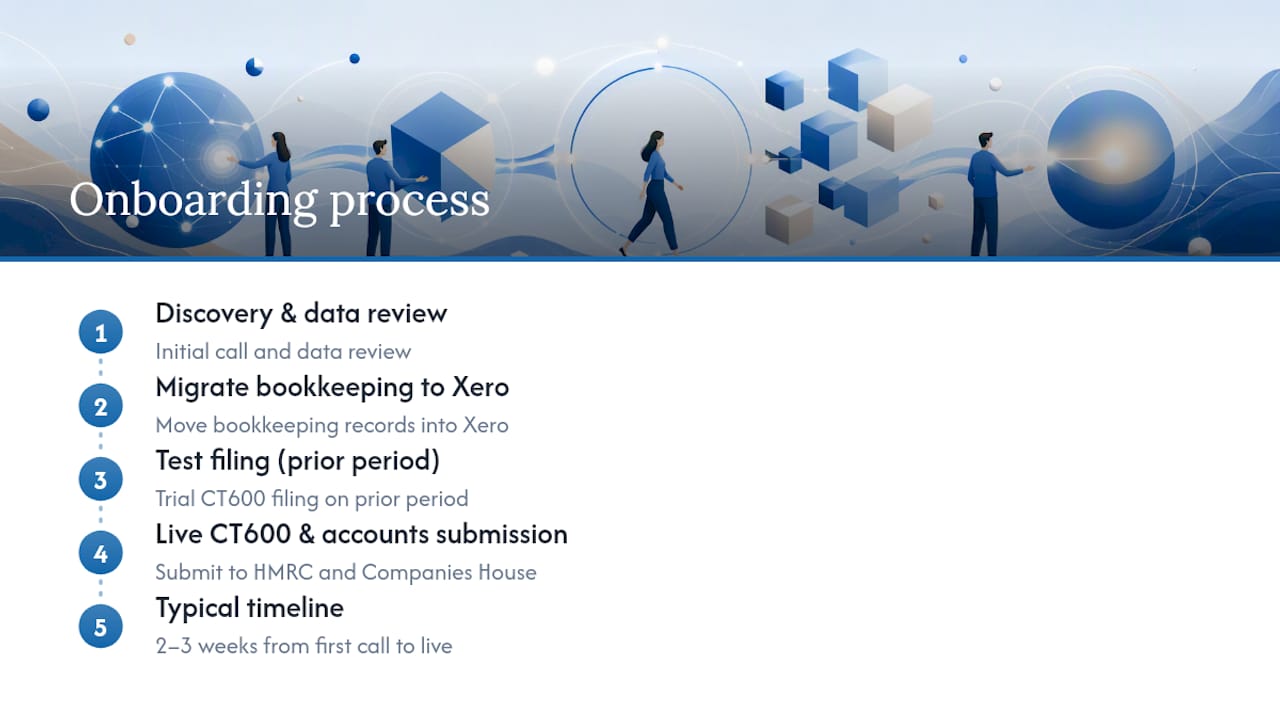
The onboarding process runs in four stages: discovery call and data review → migration of bookkeeping records to Xero → test filing on a prior period → live CT600 and accounts submission. For most clients, the full cycle from first call to live submission takes two to three weeks. The firm also covers corporation tax planning, R&D tax credits, SEIS/EIS compliance, and outsourced finance director services, so the filing sits inside a broader advisory relationship rather than as a one-off transaction.
The strongest HMRC-recognised alternatives to Easy Digital Filing are Price & Accountants for managed filing, TaxCalc or Taxfiler for DIY or accountant-led software, and Companies House WebFiling for accounts-only submissions.
| Point | Details |
|---|---|
| HMRC recognition is mandatory | Verify every vendor on HMRC’s published software suppliers list before buying. |
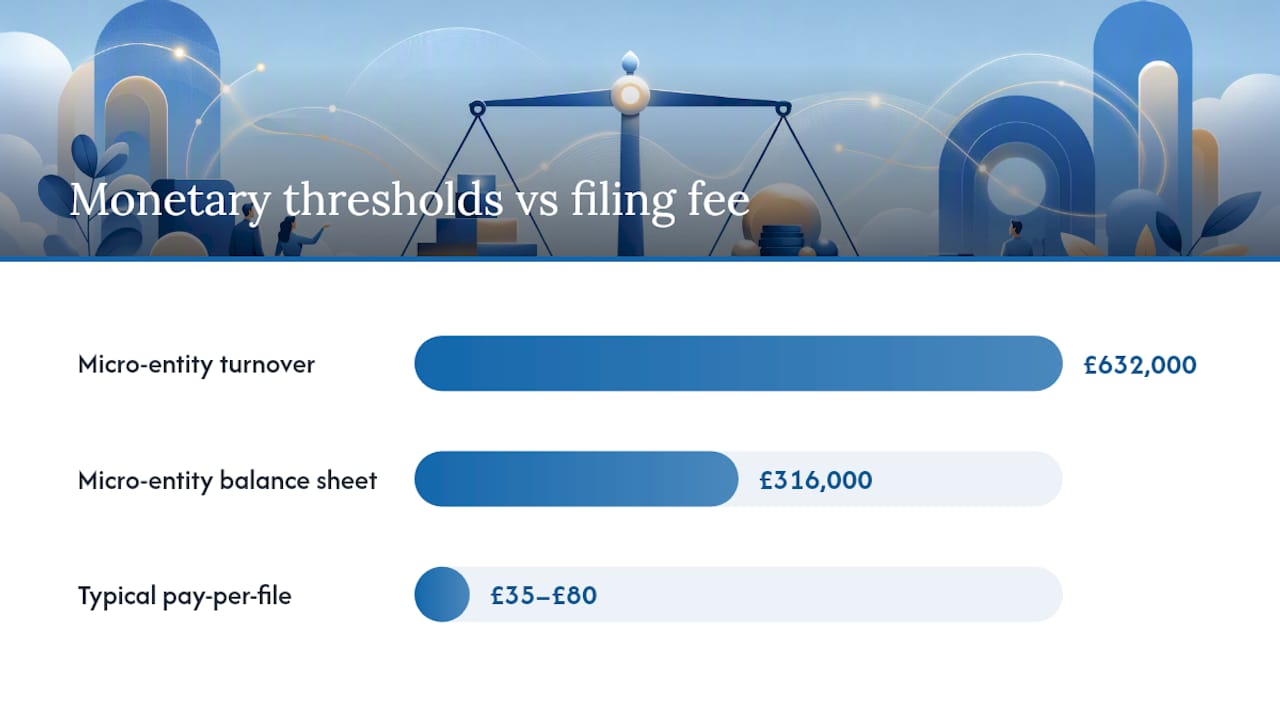
| Free micro-entity tiers exist | Companies under the micro-entity thresholds can file accounts at no cost on qualifying platforms. |
| Pay-per-file vs subscription | Per-filing costs typically run £35–£80; subscriptions suit accountants or multi-entity filers. |
| Trial-balance import is critical | Test your actual Xero or CSV export during a trial to confirm chart-of-accounts mapping works. |
| Priceandaccountants as managed option | Price & Accountants handles CT600, iXBRL, HMRC agent submission, and Companies House filing end-to-end. |
The conventional wisdom is that DIY filing software is fine for small companies because the forms are straightforward. That is true right up until it is not. A CT600 with a capital allowance claim, a research and development adjustment, or an unusual accounting period is not a form-filling exercise; it is a tax computation, and the software will not tell you when you have got the inputs wrong.
The real cost of DIY filing is not the £35–£80 per-file fee. It is the two to four hours a director spends gathering data, the risk of a rejected submission close to the deadline, and the opportunity cost of not having an adviser who spots a missed relief. A managed service costs more upfront. For a company with any complexity in its tax position, that cost tends to pay for itself in the first year.
Filing CT600 and Companies House accounts yourself is entirely possible with the right software. For directors who would rather spend that time on the business, Priceandaccountants offers a fully managed alternative: we prepare your corporation tax computation, generate the iXBRL-tagged accounts, submit to HMRC as your authorised agent, and file your statutory accounts with Companies House.

We work natively in Xero, so if your bookkeeping is already on the platform, migration is straightforward. Our bookkeeping and accounts service covers everything from trial-balance preparation through to final submission, and our advisory and tax planning team can review your CT600 for missed reliefs at the same time. To discuss your filing requirements and get a quote, contact Price & Accountants directly.
| Source | What it verifies | Why it matters |
|---|---|---|
| HMRC corporation tax software suppliers | Official HMRC recognition for CT600 filing software | Primary check before choosing any platform |
| Taxpipe: CT600 filing software comparison | HMRC service closure (March 2026) and must-have features | Confirms why a recognised alternative is now required |
| TinyTax vs Easy Digital Filing comparison | Feature differentials, free micro-entity tiers, pricing bands | Supports pricing and feature claims in this article |
| EasyDigitalFiling.com | HMRC and Companies House recognition claims for the original platform | Baseline for comparing alternatives’ recognition statements |
| Similars.net: alternatives to EasyDigitalFiling | Market breadth of similar filing services | Shows why a shortlist is more useful than an exhaustive list |
| Price & Accountants: corporation tax glossary | Corporation tax definitions and computation context | Background for directors checking their CT600 liability |
This article provides general information about UK corporation tax filing software and is not a substitute for professional tax advice. Confirm current HMRC recognition status and eligibility rules with HMRC or a qualified tax adviser before filing.